Most lease-abstraction guides treat ground leases as a footnote — one bullet inside a checklist built for standard space leases. That's a mismatch. A ground lease isn't a space lease with a longer term. It's a different transaction structure wearing the same paperwork format, and abstracting it with a space-lease template misses the provisions that actually define the deal.
What makes a ground lease structurally different
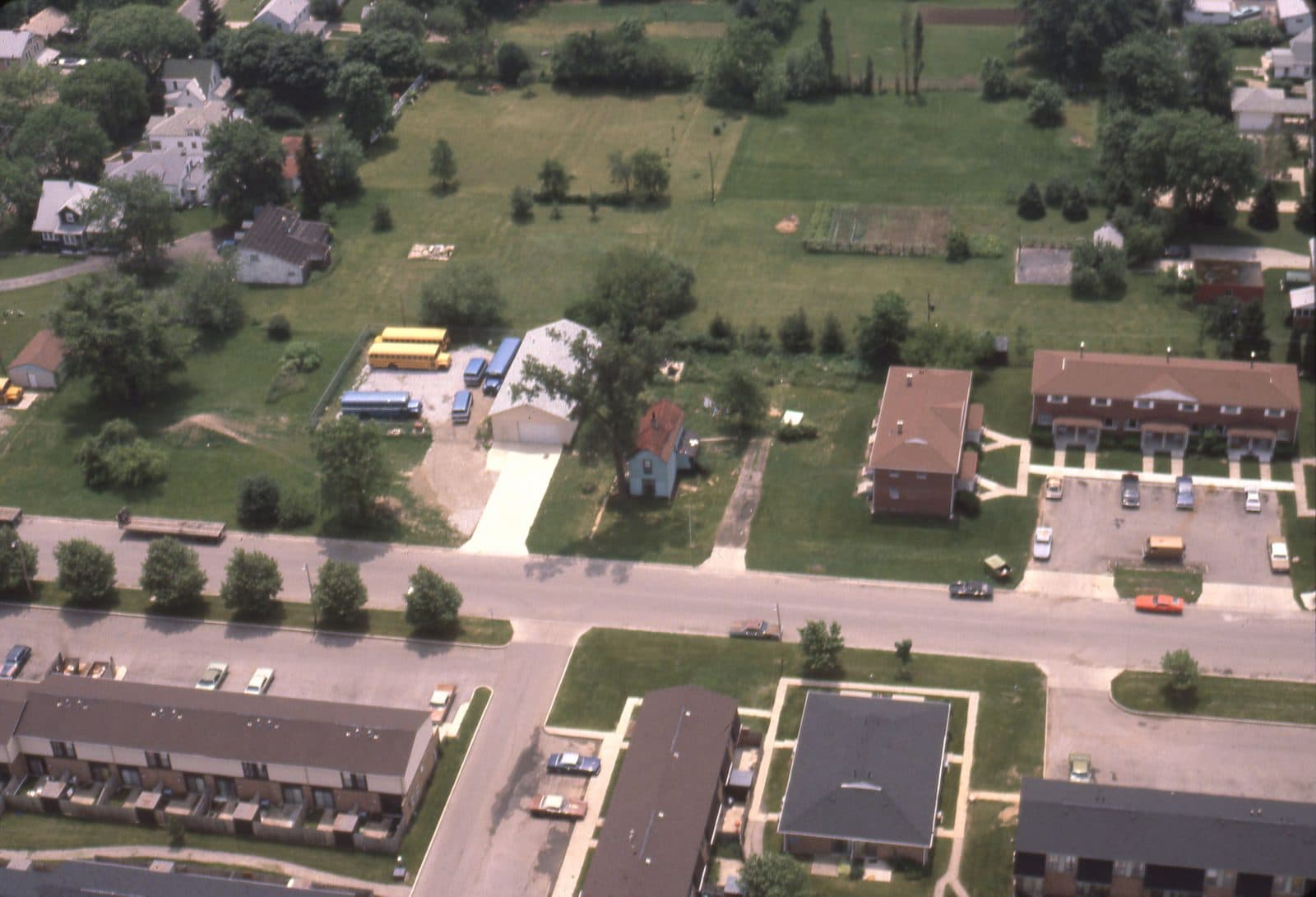
In a standard commercial lease, the landlord owns the building and the land, and the tenant occupies space inside it. In a ground lease, the landlord (the fee owner) owns only the land. The tenant — often called the ground lessee — leases the land itself, typically for a long term, and constructs and owns the improvements built on it for the duration of the lease. The demised premises in a ground lease is the land parcel, not a suite or a floor.
That single structural difference — split ownership of land and improvements — is what drives every provision an abstractor needs to handle differently.
The provisions a space-lease template doesn't ask about
Fee vs. leasehold ownership of the improvements. During the term, the tenant typically owns the building and other improvements it constructs, even though it doesn't own the land beneath them. That ownership split affects financing, insurance, tax treatment, and what happens at termination — all of which need to be captured explicitly, not inferred.
Reversion. At lease expiration, ownership of the improvements typically reverts to the fee owner, often without compensation to the tenant unless the lease says otherwise. Whether reversion is automatic, whether the tenant has a purchase option before it triggers, and what the reversion mechanics actually say — all of this belongs in the abstract as its own field, not folded into a generic "expiration" bullet. Review the reversion language carefully; it varies significantly deal to deal and the consequences of getting it wrong are large.
Subordination and leasehold financing. Ground lessees frequently finance their improvements with a leasehold mortgage — debt secured by the tenant's leasehold interest rather than the land. That financing usually depends on subordination, non-disturbance, and attornment provisions that protect the leasehold lender if the ground lease is at risk, plus cure rights that let the lender step in and cure a tenant default before the ground lease terminates. If a ground lease abstract doesn't flag whether leasehold-mortgagee protections exist and what they require, it's missing one of the most consequential clauses in the document. This is an area to review carefully with counsel rather than summarize casually — the exact cure-right mechanics differ from lease to lease.
Term length. Ground leases commonly run far longer than space leases — often multiple decades — to make the tenant's construction investment economically viable over a long enough horizon to amortize. The exact term varies by deal and market; don't assume a standard duration, and record the actual term, renewal options, and any option-to-extend triggers precisely as written.
Rent-reset mechanics. Because the term is so long, ground rent frequently doesn't stay flat or escalate on a simple fixed schedule the way space-lease rent often does. Many ground leases build in periodic rent resets — tied to a formula, an appraisal process, or a defined index — at set intervals across the term. The mechanics of how a reset is triggered, calculated, and disputed are often the single highest-stakes provision in the lease, and they deserve their own dedicated field in the abstract rather than a one-line summary. Treat any specific reset formula or interval as something to verify directly against the source document, not something to assume from deal to deal.
Encumbrances and permitted use restrictions. Ground leases often carry restrictions on what the tenant can build, how the land can be used, and what encumbrances the tenant is permitted to place on its leasehold interest. These restrictions protect the fee owner's residual interest in the land and are worth capturing as their own section rather than lumping them into a generic "permitted use" field built for retail or office leases.
Estoppel dynamics. Where a ground lease sits underneath a leasehold mortgage or a subtenant structure, estoppel certificates take on outsized importance during financing or a sale of the leasehold interest — they confirm the ground lease is in good standing before a lender or buyer relies on it. An abstract that tracks estoppel triggers and timing requirements up front saves scrambling later.
Why a generic abstract template gets this wrong
A standard commercial lease-abstraction template is built around fields like base rent, CAM, tenant improvement allowance, and a single expiration date — because those are the fields that drive value in a space lease. Run a ground lease through that template and it fills in: there's a rent field, there's a term field. But the fields that actually determine what the ground lease is worth — reversion terms, subordination structure, the rent-reset mechanism, and leasehold-mortgagee protections — either get skipped entirely or buried in an unstructured notes field where nobody will find them during a financing deadline or an acquisition review.
That gap matters most exactly when it's least convenient to discover it: mid-diligence on an acquisition, or mid-underwriting on a leasehold-mortgage refinance, when someone needs the reversion date or the next rent-reset trigger in minutes, not after a re-read of a hundred-page document.
Building a ground lease abstract that holds up
The fix isn't a longer generic checklist — it's a structure built for the transaction. A usable ground lease abstract should treat as first-class fields, at minimum: term and renewal structure, the reversion mechanism and timing, subordination and leasehold-mortgagee protections (including cure rights), the rent-reset formula and next trigger date, permitted-use and encumbrance restrictions, and estoppel requirements tied to financing or transfer events. Every one of those should carry a citation back to the exact page and clause it came from, so nobody has to take the abstract's word for it during a deadline.
That's the standard we hold every abstract to at PropETL — AI-powered extraction with page-level citations, followed by specialist human QA on every document, because ground lease clauses like reversion and rent resets are exactly the kind of provisions that need judgment, not just pattern matching off a page.
Get a ground lease abstracted the right way
If you're sitting on a ground lease — or a portfolio that includes one buried among standard space leases — reach out through the lease abstraction page for a free sample round: send a representative document and get a finished abstract back before you commit to anything. Structured, cited, and built around what a ground lease actually needs captured — not what a generic template happens to ask for.