Run a warehouse lease through an office-lease abstraction template and most of the fields fill in fine: parties, term, base rent, a square-footage number. What's missing is everything that actually makes the space usable for the tenant's operation — and in industrial real estate, several of those provisions carry more financial and legal weight than the fields a generic template treats as primary.
Industrial isn't office or retail with a bigger footprint. It's a different tenant profile — logistics, manufacturing, distribution, cold storage — with different operational requirements, and those requirements show up as lease provisions a template built for office space simply doesn't ask about.
Clear height and dock configuration aren't cosmetic details
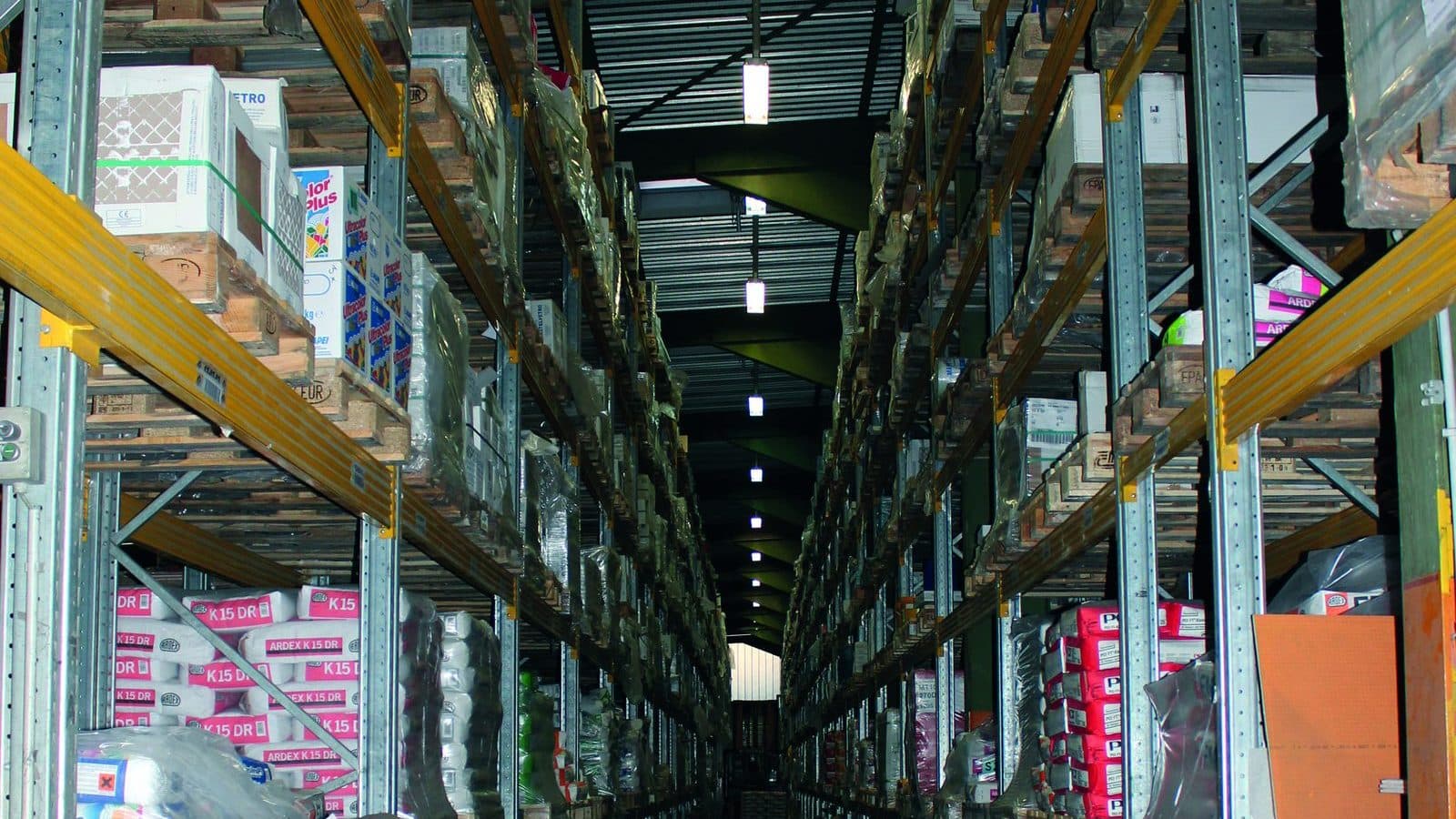
In an office lease, ceiling height is rarely a negotiated term. In an industrial lease, clear height — the unobstructed vertical space from floor to the lowest overhead obstruction — often determines whether a tenant can actually operate the racking or automation their business depends on, and it's frequently referenced directly in the lease rather than left to a site inspection.
The same goes for dock-door count and configuration: the number of dock-high doors, drive-in doors, trailer parking or storage positions, and truck-court dimensions. For a distribution tenant, these specifications aren't incidental — they're sometimes tied directly into the permitted-use clause, because a landlord may restrict how the loading infrastructure can be used or modified, or an exclusivity provision may reference dock capacity as part of what the tenant is guaranteed. An abstract that records "warehouse use permitted" without capturing the clear-height figure and dock specifications the lease actually promises has abstracted the wrong level of detail.
Longer terms, more triple-net
Industrial leases commonly run longer than a comparable office lease, and triple-net (NNN) structures — where the tenant pays base rent plus its pro-rata share of taxes, insurance, and operating expenses directly — are more standard in this asset class than in many other property types. That combination changes what matters in the abstract: the expense pass-through mechanics, the operating-expense definitions and any exclusions, and the CAM-style reconciliation terms deserve the same care in an industrial abstract that they get in a retail one — see CAM reconciliation for how those calculations typically work. A longer term also means more amendments accumulate over the life of the lease, which raises the stakes on capturing every one rather than abstracting from the original document alone.
Environmental and hazmat use restrictions
Many industrial tenants store, handle, or process materials that carry environmental compliance obligations — from routine industrial chemicals to regulated hazardous materials, depending on the tenant's business. Leases in this asset class frequently carry specific environmental use restrictions, permitted-use language scoped to particular activities, and compliance or indemnification obligations tied to hazardous-material handling. These provisions matter well beyond day-to-day operations — they carry real weight in due diligence for an acquisition or refinance, where a buyer or lender needs to know exactly what activities the lease permits and what environmental risk, if any, attaches to the space. A generic abstract template built around retail or office permitted-use language will often flatten this into a single line that misses the specificity a lender or acquirer actually needs.
Expansion rights and ROFR show up more often here
Right of first refusal (ROFR) and expansion options — the right to lease adjacent or additional space as it becomes available — appear more frequently in industrial leases than in many other commercial lease types, particularly for tenants whose logistics or distribution needs grow with volume. These provisions are easy to under-abstract: an ROFR is a contingent right that only matters at a specific future trigger event (the landlord receiving a third-party offer on adjacent space, for instance), so it doesn't show up on a monthly rent roll the way base rent does. It sits quietly until the trigger event happens — and if the abstract didn't capture the notice period, the space it applies to, and the pricing mechanism precisely, the tenant or landlord can lose the benefit of the right entirely by missing a window nobody was tracking.
Why the generic template misses all of this
A standard commercial lease-abstraction template is built around the fields that drive value in an office or retail lease — base rent, CAM, tenant improvement allowance, a single expiration date. Run an industrial lease through it and those fields populate fine, which creates a false sense of completeness. The provisions that actually define the industrial deal — clear height, dock configuration, expansion and ROFR triggers, environmental use restrictions — either get skipped or dumped into an unstructured notes field where nobody will find them when a leasing decision or a diligence deadline actually needs them.
Building an industrial abstract that holds up
An industrial lease abstract should treat as first-class, structured fields — not notes — at minimum: clear height and dock/loading specifications tied to their permitted-use or exclusivity language, the NNN expense structure and reconciliation mechanics, environmental and hazmat use restrictions, and any expansion or ROFR rights with their triggers and notice windows spelled out. Every one of those fields should carry a citation back to the exact page it came from, the same way base rent or a commencement date would.
That's the standard PropETL holds every lease abstraction to — AI-powered extraction with page-level citations, followed by specialist human QA, because clear-height figures and ROFR trigger mechanics are exactly the kind of detail that gets lost when a template built for a different asset class is doing the work.
Get an industrial lease abstracted for what it actually is
If your portfolio includes warehouse, distribution, or manufacturing space, reach out through the lease abstraction page for a free sample round: send a representative industrial lease and get back a finished abstract that captures the clear height, the dock specs, and the expansion rights — not just the fields a retail template happens to ask about.